

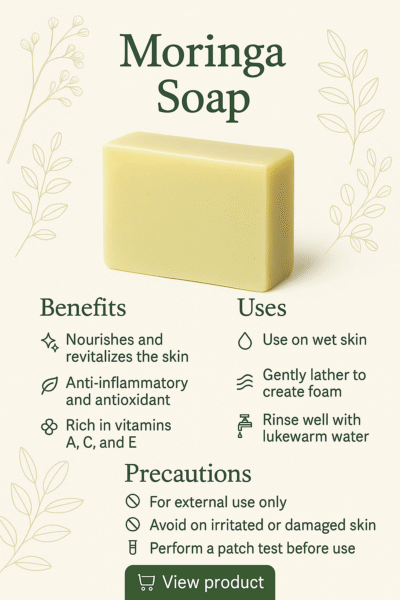
🌿 Benefits of Moringa for the Skin
- Nourishes and revitalizes
Rich in essential fatty acids, it deeply moisturizes and leaves the skin soft and radiant. - Natural anti-inflammatory
Helps reduce redness, itching, and inflammation — perfect for sensitive or eczema-prone skin. - Powerful antioxidant
Fights free radicals, slows down skin aging, and improves elasticity. - Packed with vitamins A, C, and E
- Vitamin A: Regenerates skin tissue and helps fight acne.
- Vitamin C: Brightens the complexion and boosts collagen production.
- Vitamin E: Softens the skin and protects it from external damage.
- Antibacterial and antifungal properties
Keeps skin clean and clear, preventing breakouts and minor skin infections. - Deep pore cleansing
Detoxifies the skin by removing impurities and excess oil — without drying it out.
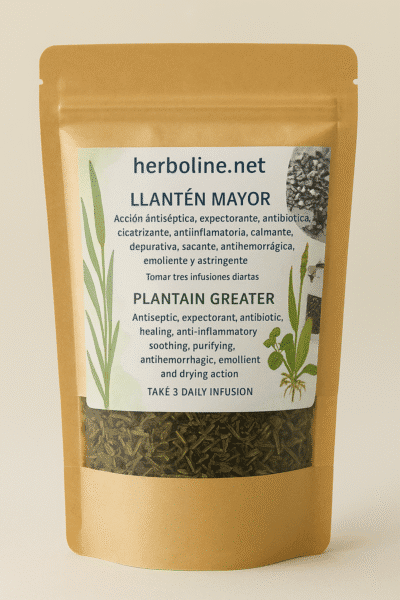
Plantain (Plantago major)
Plantain is a perennial herbaceous plant that has traditionally been used for medicinal purposes due to its various health benefits.
Below are some of the key properties of plantain that are relevant to its use in natural medicine:
Anti-inflammatory properties:
Plantain contains natural compounds with anti-inflammatory effects, making it a popular remedy for reducing inflammation.
Wound healing properties:
Plantain has the ability to accelerate wound healing and promote the formation of scar tissue. This makes it useful in treating cuts, burns, and other minor skin injuries.
Antimicrobial properties:
Studies have shown that plantain has antimicrobial activity, which allows it to combat certain bacteria and pathogens.
Demulcent effect:
Plantain can have a soothing and softening effect on mucous membranes, making it helpful in relieving throat irritation and other respiratory issues.
Antioxidant properties:
It contains antioxidants that help neutralize free radicals and protect cells from oxidative damage.
Expectorant properties:
Plantain can help loosen mucus and promote its expulsion, which is beneficial for easing chest congestion and cold symptoms.
Mild laxative effect:
Plantain may act as a gentle laxative, aiding in the relief of occasional constipation.
It is important to note that while plantain has many medicinal properties, it is always advisable to consult a healthcare professional before using it to treat any condition—especially if you are pregnant, breastfeeding, or taking other medications, as there may be specific interactions or contraindications. Additionally, proper identification of the plant is essential before using it for medicinal purposes, as there are several species of plantain.
Diet to Control Diabetes
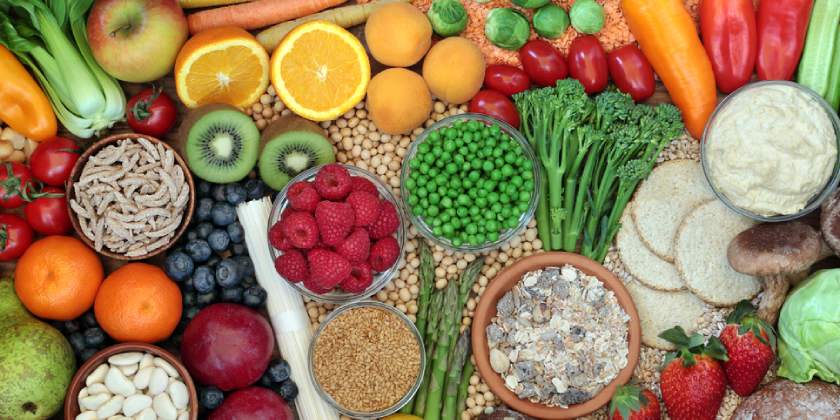
Nutrition
Proper nutrition is key to preventing diabetes and, once diagnosed, controlling its progression. One essential aspect is following a healthy, balanced diet based on low glycemic index (GI) foods.
Low Glycemic Index Foods
Nutrition plays an undeniable role in managing diabetes and is one of the foundations for slowing the disease’s progression, which affects 1 in 7 adults in Spain. Everyone knows that sugar intake should be minimized, but there’s more to consider. A crucial factor is following a diet low in glycemic index.
The glycemic index measures how much a food raises blood sugar levels after consumption. Only carbohydrate-containing foods have a GI. Pure glucose is the reference point with a GI of 100. Foods are compared to it.
- Low GI: 55 or less
- Medium GI: 56 to 69
- High GI: 70 or more
Simple carbohydrates like table sugar, honey, white bread, and even cooked carrots (raw ones have low GI) have high GI values.
Glycemic Index: A Key Tool Against Diabetes
A study by the Spanish Biomedical Research Center in Obesity and Nutrition (Ciberobn), led by Jordi Salas-Salvadó and universities in Toronto and Zagreb, confirmed that low GI diets are vital in controlling and preventing both type 1 and 2 diabetes. This review, published in the British Medical Journal, showed that patients with diabetes who follow a low GI diet have lower levels of glycated hemoglobin, which indicates blood sugar levels over the past three months.
Low GI is also associated with reduced cardiovascular risk factors: lower LDL (“bad”) cholesterol, triglycerides, adiposity, and systolic blood pressure.
According to Salas-Salvadó, “This is the best evidence we currently have to tell diabetic patients that regardless of insulin or oral medications, diet matters.” He adds that all diabetic patients should be recommended low GI diets.
How to Follow a Low GI Diet
Following a low GI diet requires understanding that GI doesn’t act in isolation—it interacts with other factors. For instance, raw carrots have a low GI, but cooking them increases it by making sugars more accessible. Pasta cooked al dente has a lower GI than overcooked pasta.
Fruit’s GI increases with ripeness. Here, another parameter—glycemic load (GL)—comes into play. GL considers the amount of carbohydrates in a food portion, not just the GI. GL = (GI / 100) × grams of carbs in a portion.
Cooked carrots, despite their high GI, have low GL due to low carbs and high fiber content.
Also, juicing a fruit raises its GI, as the fiber is removed, making sugars absorb faster.
GI is influenced not only by the food type but also by preparation method, variety (e.g., short vs. long-grain rice), whether it’s whole grain, and what it’s eaten with. For example, boiled white rice has a higher GI than paella, which includes vegetables, oils, and proteins.
GI Values of Common Foods (Reference)
- Glucose: 100
- Cooked carrot: 92
- Honey: 87
- Instant mashed potatoes: 80
- White rice: 72
- Boiled potatoes: 70
- White bread: 69
- Brown rice: 66
- Banana: 62
- Sweet corn: 59
- Peas: 51
- Refined flour pasta: 50
- Grapes: 45
- Whole wheat pasta: 42
- Orange: 40
- Apple: 39
- Tomato: 38
- Chickpeas: 36
- Whole milk: 34
- Lentils: 29
- Sausages: 28
- Soybeans: 15
- Peanuts: 13
- Lettuce: 15
Some low GI foods, like sausages, are not ideal in a healthy diet. Dietitians often remind patients that while fats and proteins have no GI, they still impact blood sugar levels.
Best Foods for Diabetes Prevention
Salas-Salvadó recommends low GI foods for people with diabetes and those seeking prevention. For example, instead of breadsticks as an afternoon snack, he suggests a handful of hazelnuts. Breadsticks cause a rapid sugar spike and crash, leading to hunger and fat accumulation, while hazelnuts maintain steady glucose and satiety levels.
Top recommended foods:
- Fruits and vegetables
- Whole grains
- Legumes
- Nuts
- Extra virgin olive oil
- Fish
- White meats
Legumes, in particular, are among the lowest GI carbohydrate-rich foods.
Always consult a healthcare professional before making significant dietary changes, especially if you have medical conditions or take medications.
🌿 Discover the Power of Ashwagandha: Nature’s Stress-Buster 🌿
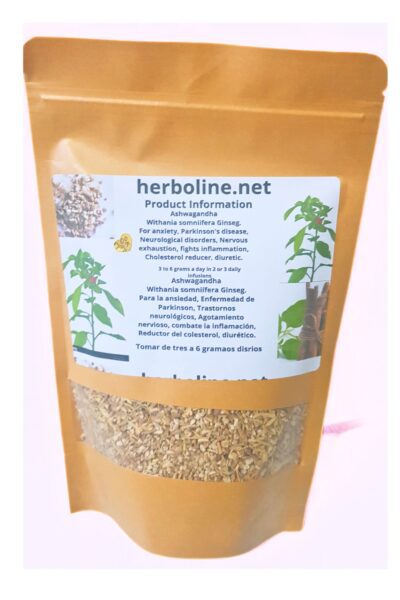
Ashwagandha (Withania somnifera), also known as “Indian ginseng” or “winter cherry”, is a powerful adaptogenic herb that has been used for over 3,000 years in Ayurvedic medicine. Its name means “smell of the horse,” which refers both to its scent and its reputation for imparting the strength and vitality of a stallion.
✨ Key Benefits of Ashwagandha
💚 Reduces Stress and Anxiety
Ashwagandha helps regulate cortisol levels (the stress hormone), promoting a sense of calm and balance in mind and body.
🧠 Boosts Brain Function
Improves memory, focus, and cognitive function — a natural nootropic for mental clarity.
💪 Increases Energy and Stamina
It revitalizes the body, enhances endurance, and reduces fatigue — perfect for modern-day burnout.
🛏️ Supports Restful Sleep
Its calming properties help ease insomnia and improve sleep quality without causing drowsiness during the day.
🛡️ Strengthens the Immune System
Ashwagandha enhances the body’s natural defense mechanisms, keeping you resilient all year round.
🩺 Balances Hormones
Especially beneficial for thyroid support and reproductive health — both in men and women.
🍃 A Gentle Giant in the Herbal World
Unlike some stimulants or pharmaceuticals, Ashwagandha works gently and gradually, restoring harmony rather than forcing a quick fix. It’s ideal for those seeking natural, long-term wellness.
⚠️ Who Should Be Cautious? (Contraindications)
While Ashwagandha is generally safe for most people, it’s important to be aware of the following:
- 🚫 Pregnancy & Breastfeeding: Not recommended unless advised by a healthcare provider.
- 🧬 Autoimmune Conditions: If you have lupus, rheumatoid arthritis, or multiple sclerosis, consult your doctor before use.
- 💊 Thyroid Disorders: Ashwagandha may affect thyroid hormone levels — check with your physician if you’re on thyroid medication.
- 💉 Before Surgery: Ashwagandha may slow down the central nervous system — discontinue use at least 2 weeks prior to any surgery.
- 🩺 Drug Interactions: May interact with sedatives, blood sugar, and blood pressure medications.
Always consult a qualified healthcare professional before starting any herbal supplement, especially if you have a medical condition or take medications regularly.
🥄 Suggested Dosage
Ashwagandha comes in various forms — powder, capsules, tincture, and tea. Here’s a general guide:
- Capsules/Tablets:
👉 300–600 mg once or twice daily, standardized to contain withanolides (active compounds). - Powder (Churna):
👉 1/2 to 1 teaspoon (1–3 grams) per day, mixed into warm milk, water, or smoothies. - Tincture:
👉 Follow the manufacturer’s instructions or take 2–4 mL up to twice daily.
Best taken with meals, ideally in the morning and/or evening for sustained energy and calm.