
Organic Medicinal Herbs – Herboline.net 🌿
At Herboline.net, we offer 100% organic medicinal herbs, grown without chemicals and harvested with care to preserve their natural benefits.
✔ Pure and natural – Hand-harvested and naturally dried.
✔ Highly beneficial – Ideal for infusions, poultices, and holistic wellness.
✔ Selected varieties – Horsetail, dandelion, red clover, and
🌱 Support your well-being naturally with Herboline.net.
📍 Discover more at Herboline.net.
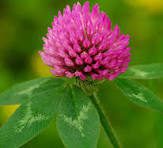
RED CLOVER (Trifolium pratense.)
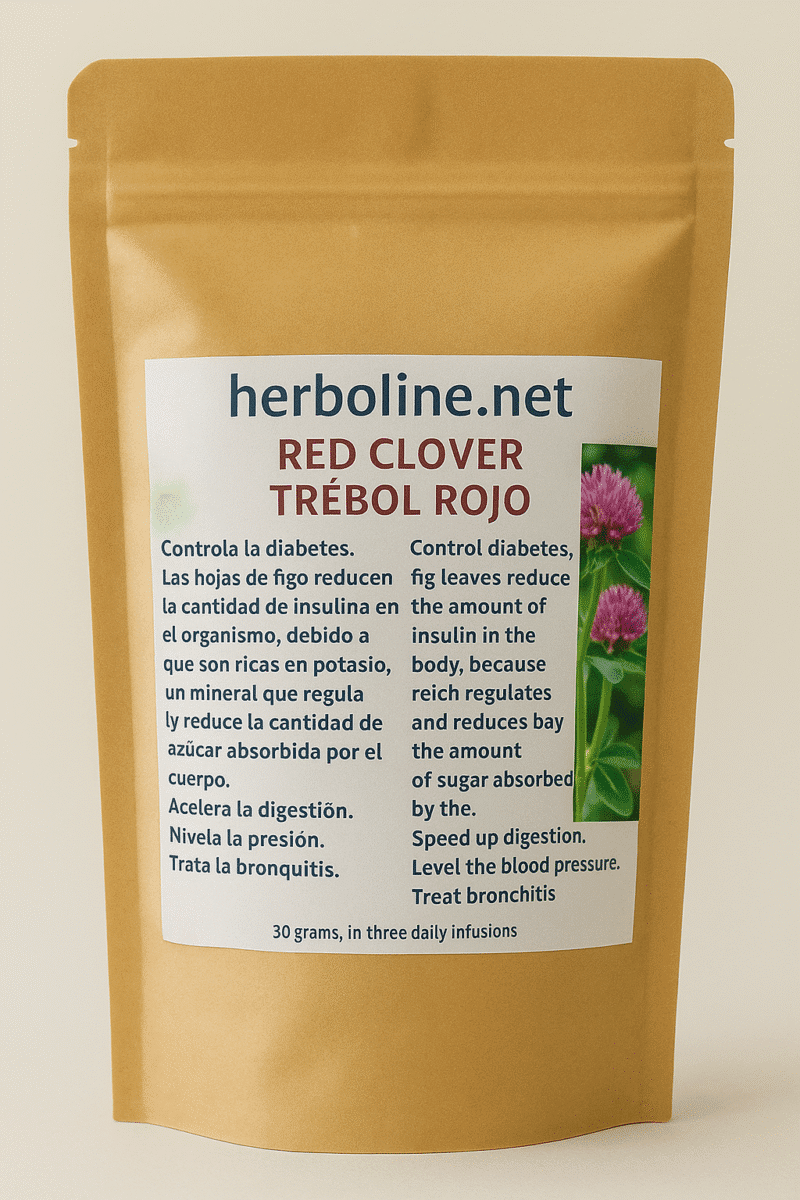
Medicinal: Rich in isoflavones, it is used to relieve menopausal symptoms, improve bone and cardiovascular health, and as an anti-inflammatory.
The recommended dosage of red clover (Trifolium pratense) depends on the form in which it is consumed (infusion, capsules, extracts, etc.) and the therapeutic purpose. Below, I detail the general dosages for the most common presentations:
- Infusion (red clover tea)
Preparation:
- Use 1 to 2 teaspoons of dried flowers (3-5 grams) per cup of hot water.
- Let it steep for 10 minutes.
- Strain before drinking.
Daily dosage:
- It is recommended to consume 1-3 cups per day, depending on need and tolerance.
- Capsules or tablets
- Follow the manufacturer’s instructions, as concentrations may vary.
- Generally, 40-80 mg of isoflavones per day is suggested, divided into 2-3 doses.
- Liquid extract or tincture
- Typically, 1-2 ml (20-40 drops) diluted in water, 2-3 times a day.
General precautions:
- Do not exceed recommended dosages without medical supervision, especially if you are taking standardized isoflavone supplements.
Avoid use in specific cases:
- Individuals with a history of hormone-dependent cancers (breast, ovarian, etc.), unless indicated by a doctor.
- Pregnant or breastfeeding women, unless advised by a healthcare professional.
- Individuals undergoing hormonal therapy or taking anticoagulants.
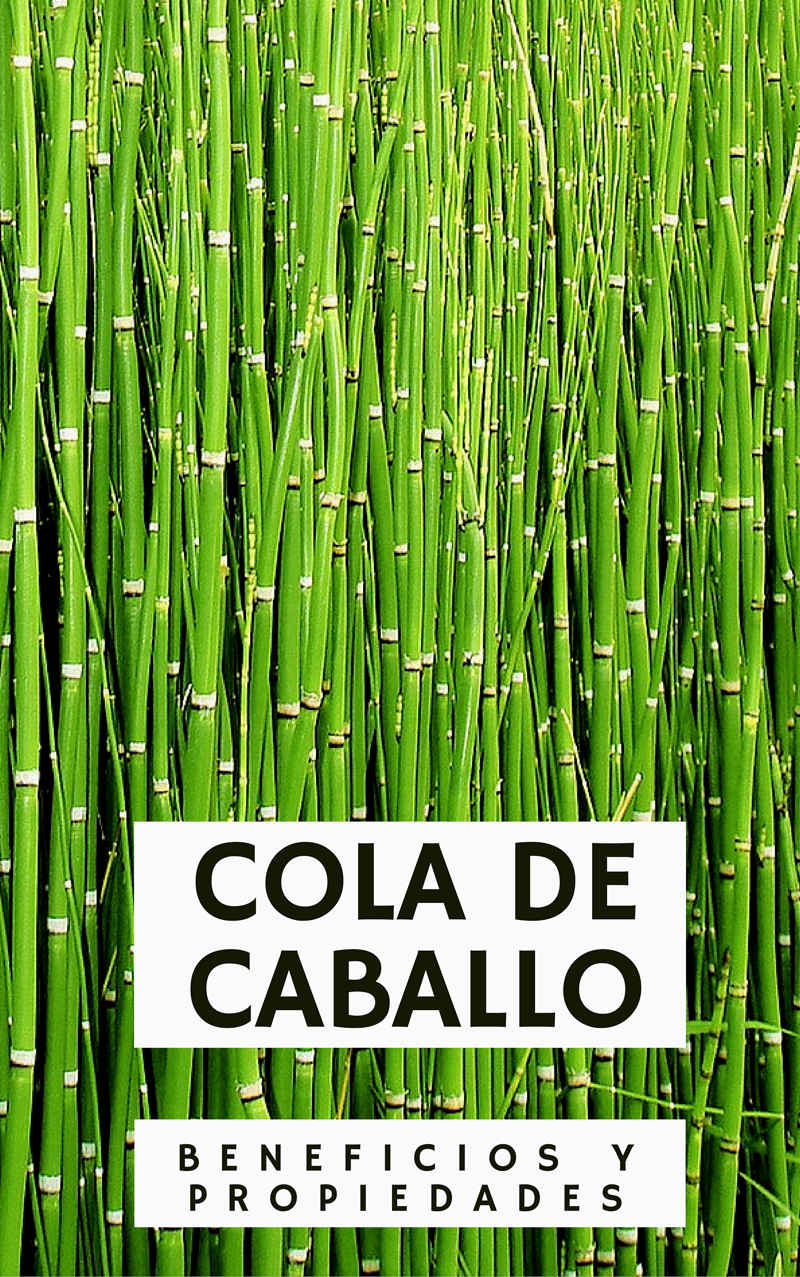
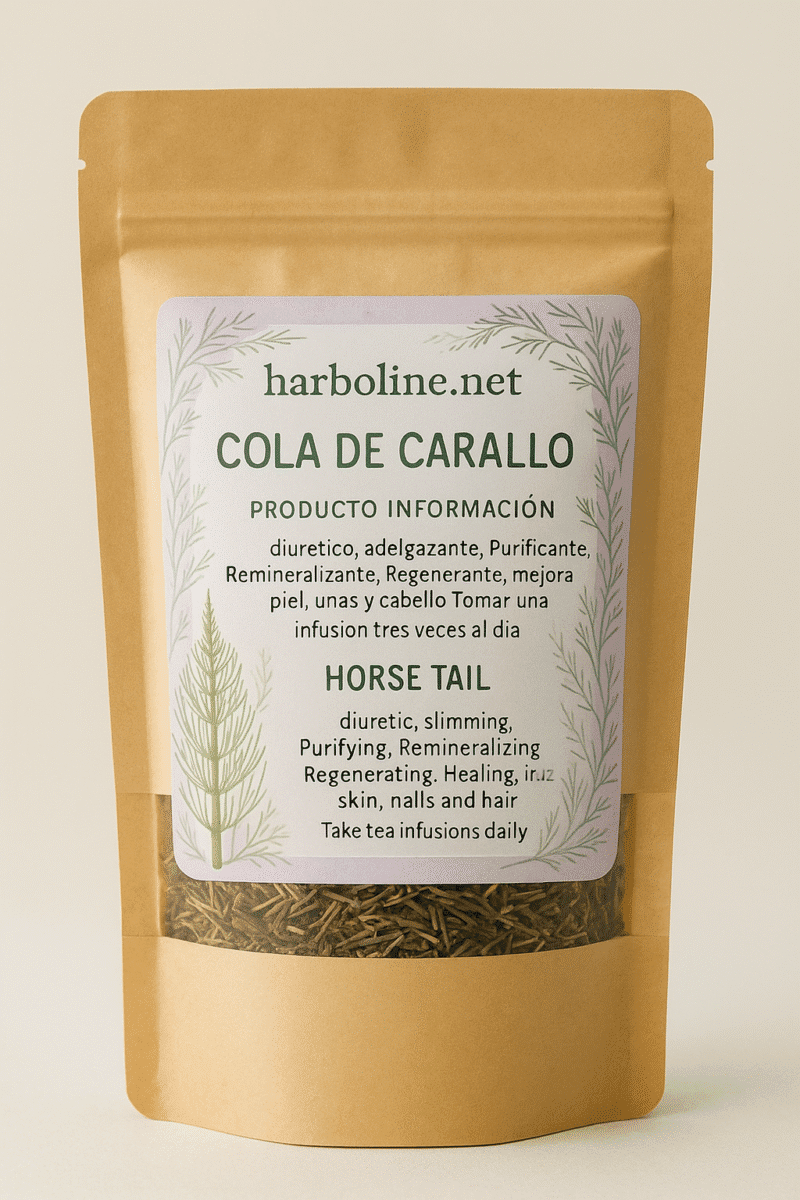
Horsetail (Equisetum arvense) – Organic Cultivation by Herboline.net 🌿
Properties and Natural Benefits
Equisetum arvense, commonly known as horsetail, is a medicinal plant organically grown and harvested by Herboline.net, recognized for its numerous health benefits. Traditionally used in herbal medicine, horsetail is valued for its diuretic, remineralizing, and anti-inflammatory properties. Here are its main benefits:
✅ Powerful Diuretic – Horsetail helps eliminate excess fluids from the body, reducing bloating and supporting kidney function.
✅ Rich in Minerals (Remineralizing Effect) – Packed with silica, potassium, and calcium, it strengthens bones, nails, and hair, improving their health and resilience.
✅ Tissue Regeneration – Thanks to its high silica content, it promotes skin elasticity and firmness, aiding in the healing of wounds and scars.
✅ Anti-inflammatory Properties – Studies have shown that horsetail extracts have anti-inflammatory effects, helping to relieve pain related to arthritis, rheumatism, and other inflammatory conditions.
✅ Urinary Tract Health Support – Beyond its diuretic properties, horsetail may help prevent urinary tract infections and assist in the dissolution of small kidney or bladder stones.
✅ Hair and Nail Strengthening – Due to its mineral content, it is excellent for hair and nail care, reducing hair loss and brittleness.
The organic horsetail cultivated by Herboline.net is free from pesticides and additives, ensuring a pure and natural product that preserves all the beneficial properties of the plant in its most potent and health-enhancing form.
🌱 Experience the natural power of organic horsetail with Herboline.net!
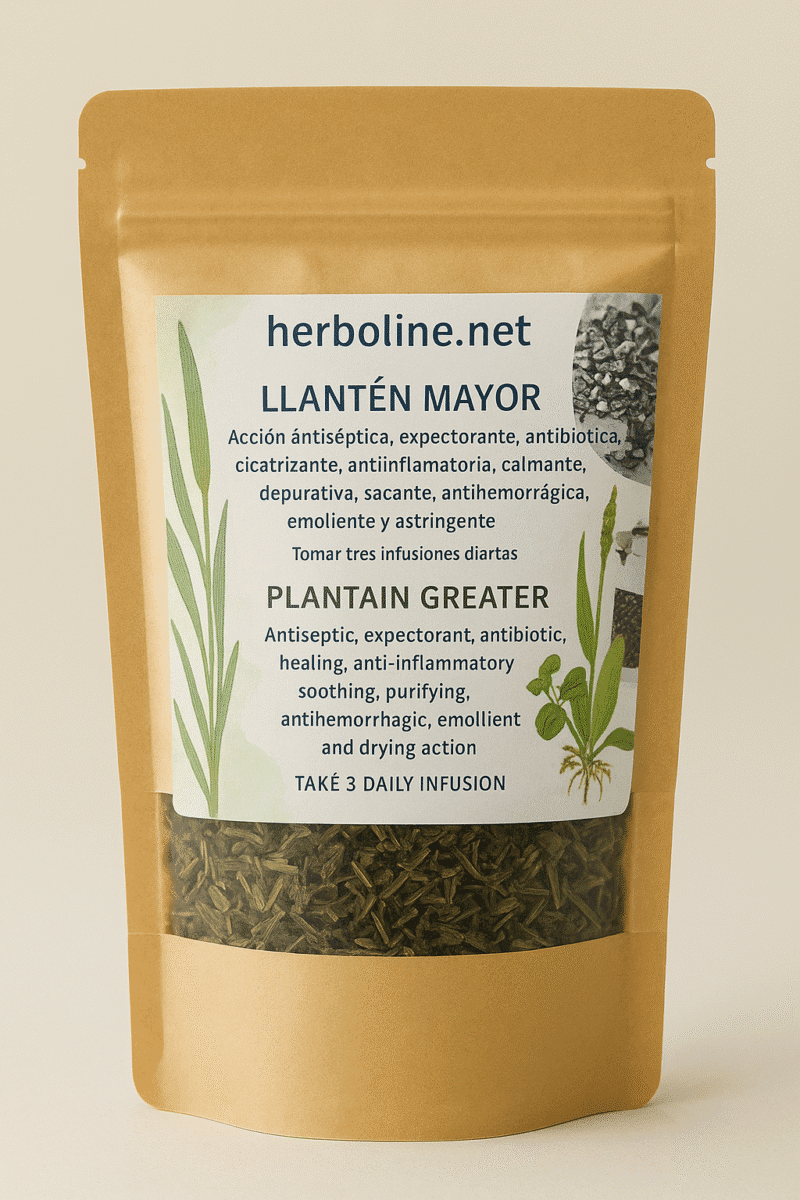
Organic Greater Plantain (Plantago major) – Grown and Harvested by Herboline.net 🌿
Properties and Health Benefits
Plantago major, commonly known as greater plantain, is an organically cultivated medicinal plant harvested by Herboline.net. It has been traditionally used for its anti-inflammatory, expectorant, digestive, and wound-healing properties. Rich in flavonoids, mucilage, tannins, and vitamins A and C, greater plantain is a powerful natural remedy.
Here are its main health benefits:
✅ Respiratory Support – Acts as a natural expectorant, helping to clear mucus from the lungs and relieve symptoms of coughs, bronchitis, and sore throat.
✅ Digestive Health – Soothes gastritis, ulcers, and acid reflux, thanks to its mucilage content that protects the stomach lining.
✅ Anti-inflammatory & Wound Healing – Contains tannins and allantoin, which help reduce inflammation, accelerate wound healing, and soothe skin irritations.
✅ Urinary Tract Health – Acts as a mild diuretic, supporting kidney function and helping to prevent urinary infections.
✅ Immune Boosting – Packed with antioxidants and vitamins, strengthening the body’s natural defenses.
Dosage and How to Prepare Plantain Infusion
💧 For Respiratory Support & Cough Relief
- Boil 250ml (1 cup) of water.
- Add 1-2 teaspoons of dried plantain leaves.
- Steep for 10-15 minutes, strain, and drink up to 3 cups daily.
💧 For Digestive Health & Gastritis Relief
- Drink 1 cup before meals to protect the stomach lining and reduce acid reflux.
💧 For Urinary & Detox Support
- Consume 1-2 cups per day to gently cleanse the kidneys and support urinary health.
💧 For Skin & Wound Healing (External Use)
- Prepare a strong infusion and apply as a compress to irritated skin, cuts, or insect bites.
- Use as a natural skin toner to calm redness and inflammation.
Precautions.
⚠ Not recommended during pregnancy without medical supervision.
⚠ Consult a healthcare professional before prolonged use, especially if taking medications.
⚠ Do not exceed recommended dosage to avoid digestive discomfort.
🌿 Discover the natural healing power of organic Greater Plantain with Herboline.net!
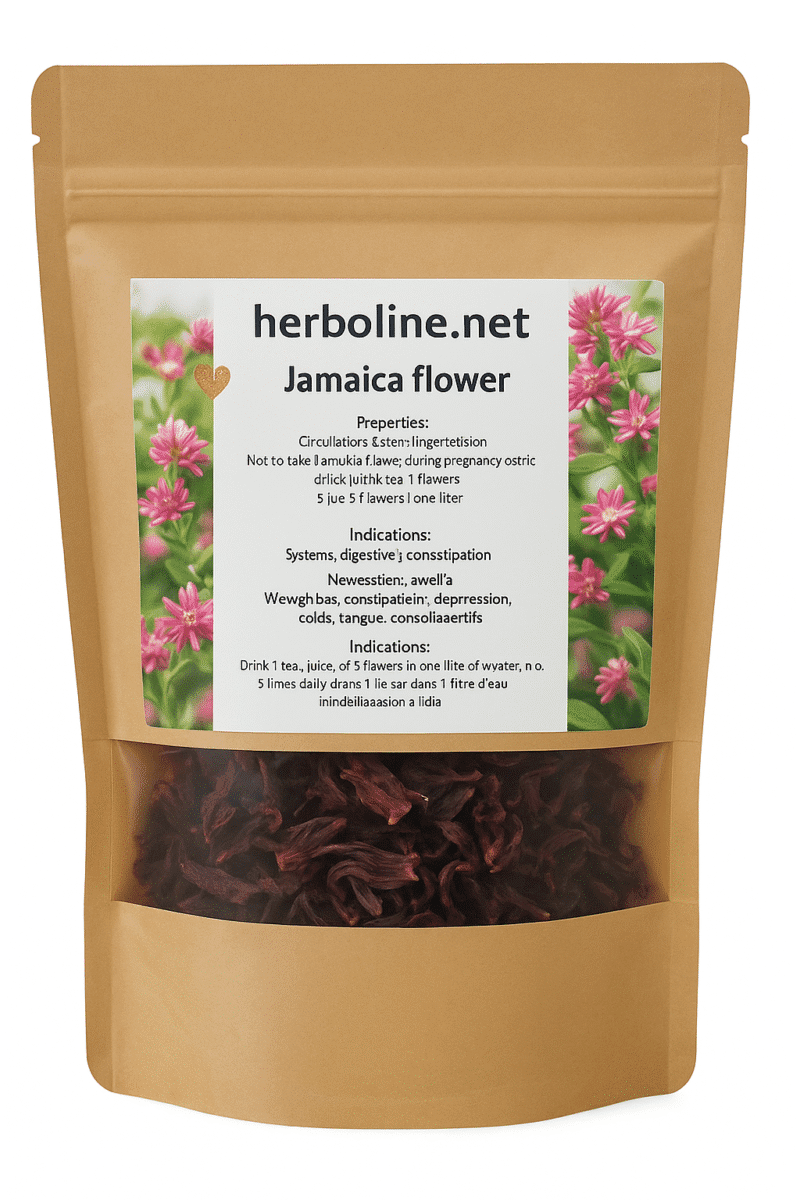
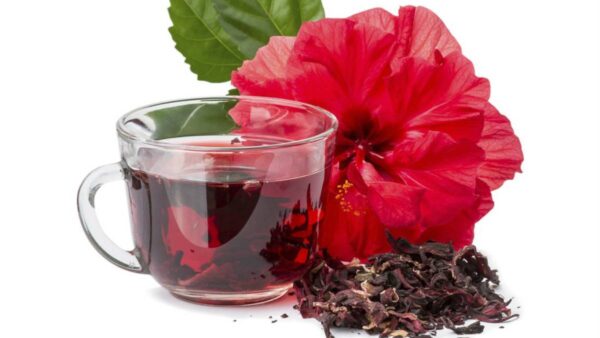
🌺 Properties of Hibiscus Flowers
Hibiscus sabdariffa, commonly known as hibiscus, is renowned for its vibrant red flowers and numerous health benefits. Here’s a breakdown of its key properties:Medical News Today+12Verywell Health+12Health+12
- Antihypertensive: Hibiscus tea may help lower both systolic and diastolic blood pressure, making it beneficial for individuals with mild to moderate hypertension. Healthline
- Antidiabetic: Some studies suggest that hibiscus can aid in regulating blood sugar levels, which is advantageous for those managing diabetes.
- Antioxidant: Rich in antioxidants like anthocyanins and vitamin C, hibiscus helps combat oxidative stress and protect cells from damage. Health
- Diuretic: Hibiscus tea has diuretic properties, promoting the elimination of excess fluids and supporting kidney function. Vogue
- Hepatoprotective: Research indicates that hibiscus may support liver health by enhancing its detoxification processes.
- Lipid-Lowering: Hibiscus consumption has been linked to reduced levels of LDL (bad) cholesterol and triglycerides, contributing to cardiovascular health. Healthline
- Anti-inflammatory: The anti-inflammatory properties of hibiscus can help alleviate inflammation and may assist in reducing abdominal bloating. Glamour
🍵 How to Prepare Hibiscus Infusion
Ingredients:
- 1 tablespoon (approximately 10 grams) of dried hibiscus flowers
- 500 ml of water
Preparation:
- Bring the water to a boil in a pot.My Food Story+1Alphafoodie+1
- Once boiling, remove from heat and add the dried hibiscus flowers.
- Cover and let it steep for 5 to 10 minutes, allowing the flowers to release their beneficial compounds.Love and Lemons+2Allrecipes+2Alphafoodie+2
- Strain the infusion to remove the flowers.
- Enjoy the tea hot, or let it cool and serve it over ice for a refreshing beverage.Love and Lemons
Optional Additions:
- Sweeten with honey, sugar, or a natural sweetener to taste.
- Add a splash of lemon or lime juice to enhance the flavor.apnews.com+1My Food Story+1
Recommended Consumption:
It’s advisable to drink one cup of hibiscus tea 2 to 3 times daily, preferably after meals.
⚠️ Precautions
- Pregnancy and Lactation: Avoid consuming hibiscus tea during pregnancy or breastfeeding without consulting a healthcare professional.
- Medication Interactions: If you’re taking medications for blood pressure or blood sugar, consult your doctor before adding hibiscus tea to your routine, as it may amplify the effects of these medications.
- Children: Not recommended for young children without medical advice.
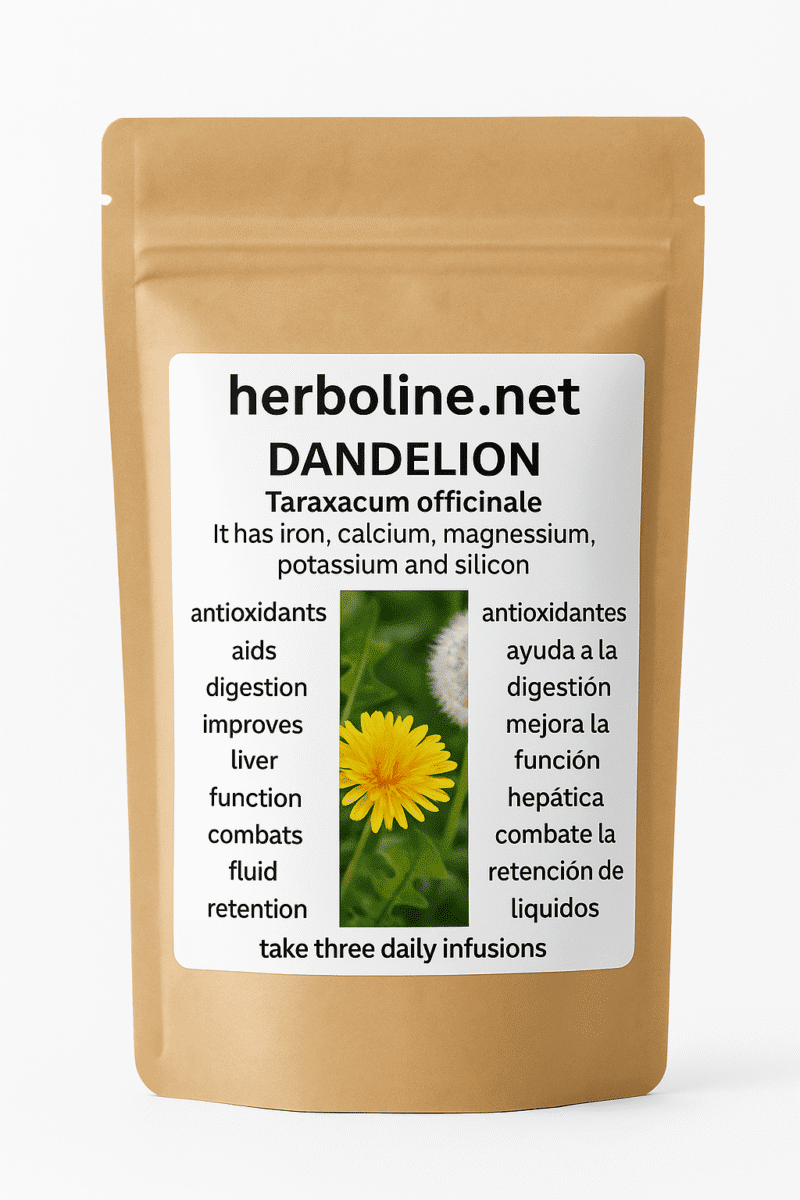
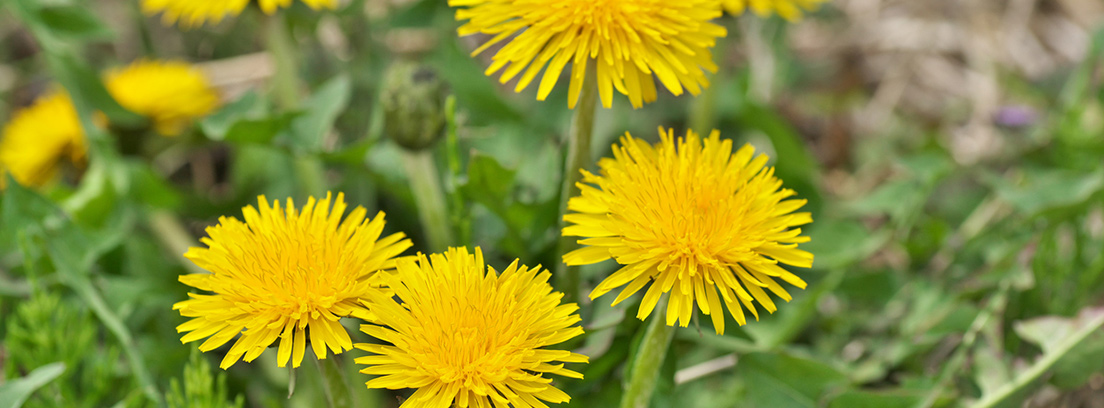
DANDELION
🌼 Properties of Dandelion (Taraxacum officinale)
Dandelion is one of those humble plants that grows “everywhere,” but it has more medicinal power than most people imagine. Its leaves, flowers, and roots are commonly used. Its main properties are:
- Liver and kidney detoxifier: stimulates liver function and helps eliminate toxins—ideal for cleansing cures.
- Mild diuretic: increases fluid elimination without causing potassium loss, unlike synthetic diuretics.
- Digestive and choleretic: promotes bile production, improves fat digestion, and relieves heavy digestion.
- Mild laxative: helps with mild constipation, especially when taken as an infusion.
- Anti-inflammatory and antioxidant: thanks to its flavonoids and phenolic compounds.
- Nutrient-rich tonic: contains vitamins (A, C, K) and minerals such as iron, potassium, and calcium.
🧪 Dandelion Dosage
IMPORTANT: These are general adult guidelines. Always consult a health professional if pregnant, breastfeeding, or taking medication.
✅ Leaf infusion (most common use)
- Dose: 1 tablespoon of dried leaves per cup (250 ml).
- Preparation: Pour boiling water over the leaves, cover, and let steep for 10 minutes.
- Frequency: 2 to 3 cups a day, preferably before meals.
✅ Root decoction (stronger and more detoxifying)
- Dose: 1 teaspoon of dried, crushed root per cup.
- Preparation: Boil for 5–10 minutes, let steep for another 5 minutes, then strain.
- Frequency: 1 to 2 times a day, for no more than 3 consecutive weeks.
✅ Mother tincture (hydroalcoholic extract)
- Standard dose: 20 to 30 drops in half a glass of water, twice daily.
- Use: As part of a liver/kidney detox or long-term herbal protocol.
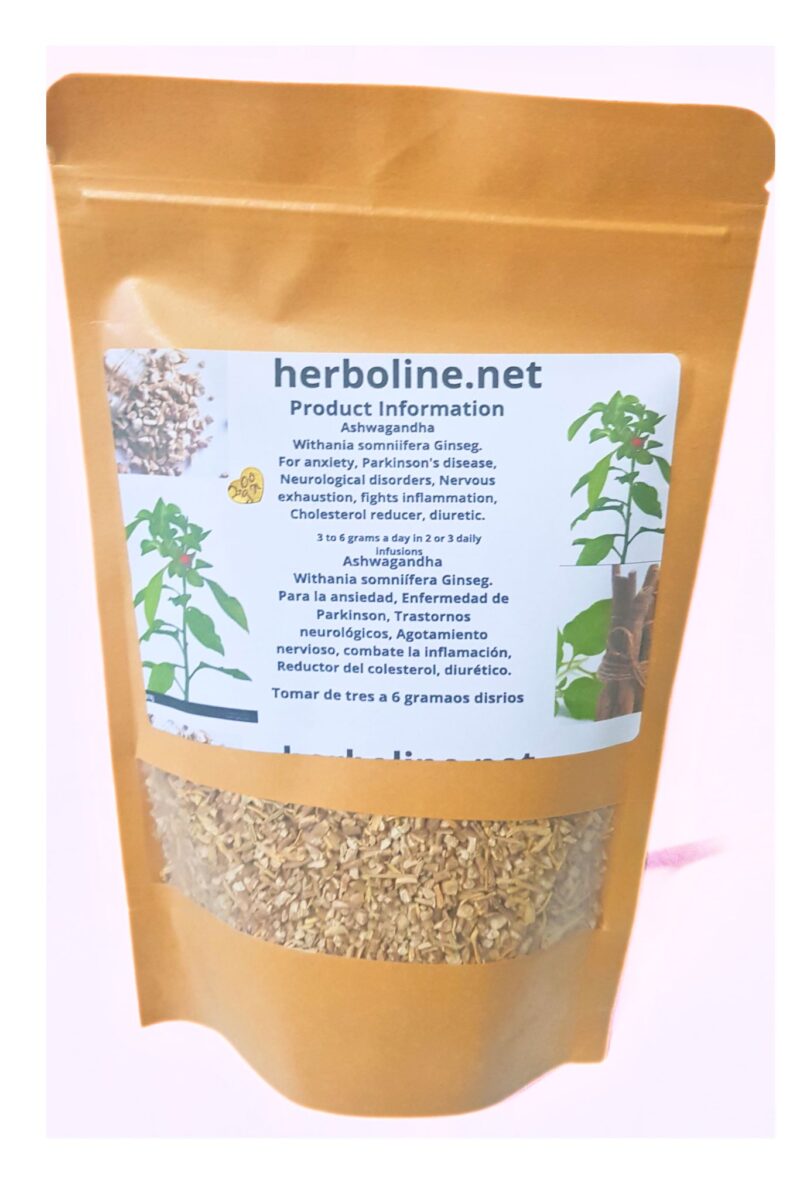
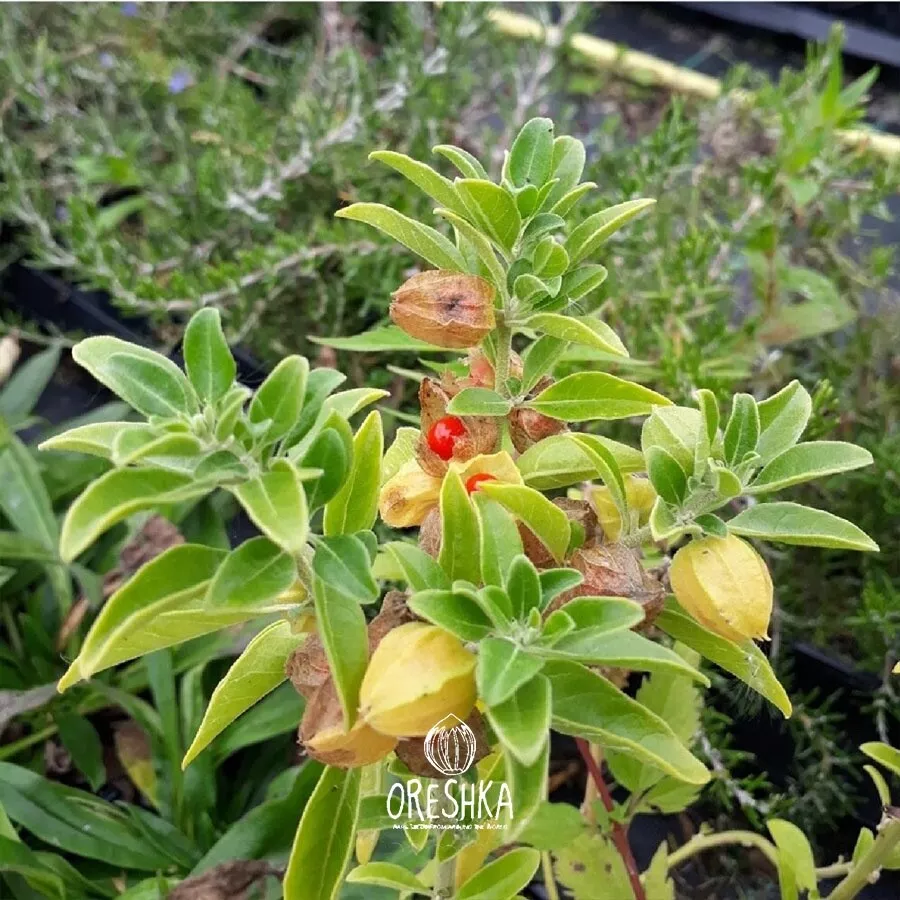
Ashwagandha 200 gm
🌿 Ashwagandha: Properties, Uses, and Dosage as an Infusion
✅ What is Ashwagandha good for?
Ashwagandha (Withania somnifera), also known as “Indian ginseng,” is an adaptogenic herb traditionally used in Ayurvedic medicine. Its main role is to help the body adapt to physical and emotional stress. Its most recognized benefits include:
- Stress and anxiety reduction
It regulates cortisol (the stress hormone) and has mild anxiolytic effects. - Improves sleep quality
Promotes deep rest, especially helpful in stress-related insomnia or exhaustion. - Boosts energy and vitality
Supports chronic fatigue and enhances physical and mental performance. - Supports memory and concentration
Offers neuroprotective effects that benefit cognitive function. - Strengthens the immune system
Naturally stimulates immune defenses. - Helps regulate hormones
Useful in cases of mild thyroid imbalances or menstrual irregularities.
☕ How to take Ashwagandha as an infusion
General dosage (adults):
- Recommended dose:
1 teaspoon of dried root (approx. 2–3 grams) per cup of water. - Preparation:
- Bring water to a boil and add the root.
- Simmer for 10 minutes.
- Remove from heat and let steep for 5 more minutes.
- Strain and drink.
- Frequency:
1 to 2 cups per day, preferably one at night if used for better sleep.
⚠️ Contraindications and precautions
- Pregnancy and breastfeeding: Not recommended.
- People with hyperthyroidism: Consult a healthcare provider, as it may stimulate the thyroid.
- May interact with sedatives, antidepressants, or thyroid medications.
- Avoid excessive use: Overuse may cause drowsiness or digestive discomfort due to its cumulative effect.